The Blog
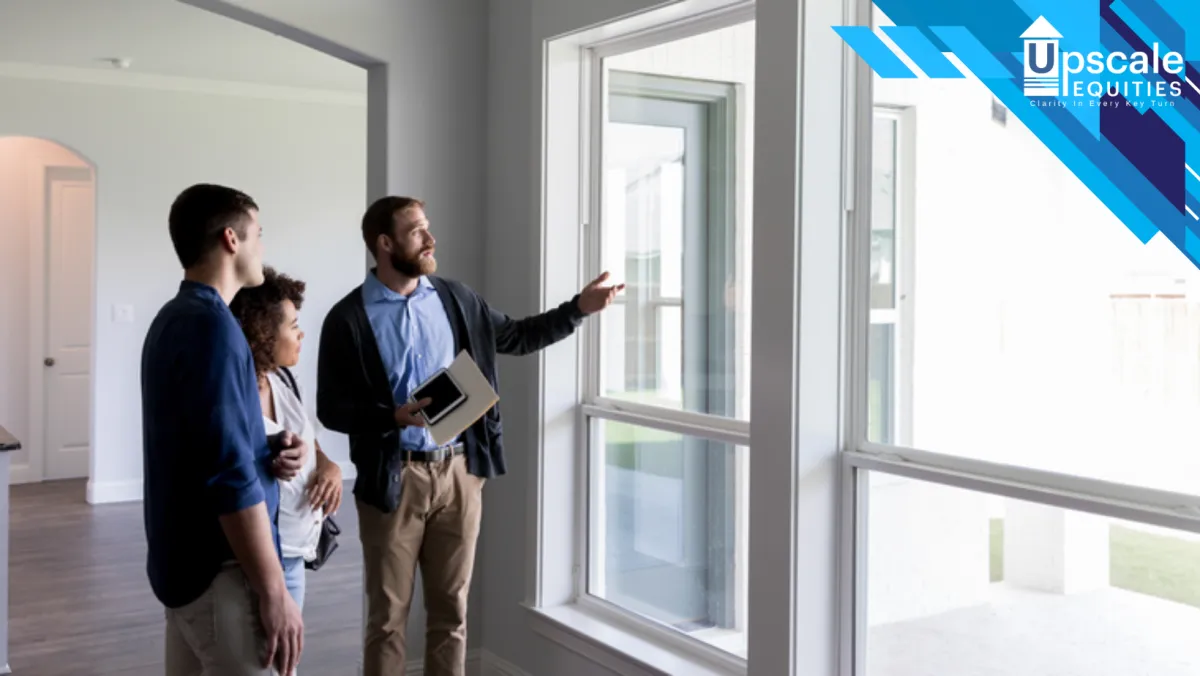
Negotiating Tactics to Get the Best Deal on Your Home Purchase

I've always been amazed by people who are so skilled when it comes to negotiating, and so I wanted to point out some tactics that could help you get the best deals on your home pirchase. Negotiating the purchase of a home can be a daunting task, but it's also an opportunity to secure the best possible deal and save thousands of dollars in the process. With the right tactics and preparation, you can effectively negotiate with sellers and real estate agents to achieve your desired outcome. In this blog post, we'll explore proven negotiating tactics that can help you get the best deal on your home purchase.
Do Your Research
Before entering into negotiations, it's essential to research the local real estate market and comparable properties in the area. Gather information on recent sales prices, market trends, and the average time properties are spending on the market. Armed with this knowledge, you'll have a better understanding of the fair market value of the home you're interested in purchasing and can negotiate from a position of strength.
Know Your Budget and Limits
Set a clear budget for your home purchase and determine your maximum offer price based on your financial situation and pre-approval from a mortgage lender. Establishing your limits beforehand will help you avoid overextending yourself during negotiations and ensure that you stay within your budget constraints.
Be Prepared to Walk Away
One of the most powerful negotiation tactics is the willingness to walk away if the terms of the deal are not favorable to you. By demonstrating that you're prepared to walk away from the negotiation table, you can leverage your position and encourage sellers to come to terms that are more favorable to you. Remember, there are always other properties available, and it's essential to prioritize your financial well-being.
Focus on the Seller's Motivation
Understanding the seller's motivation can give you valuable insights into their willingness to negotiate. For example, sellers who are motivated by a job relocation or financial hardship may be more open to accepting a lower offer or negotiating other terms of the sale. Ask your real estate agent to gather information about the seller's situation and tailor your negotiation strategy accordingly.
Present a Strong Offer
When making an offer on a home, it's crucial to present a strong offer that is attractive to the seller. Consider including a larger earnest money deposit or offering to cover some of the closing costs to sweeten the deal. Additionally, be flexible with your closing timeline to accommodate the seller's needs and preferences.
Focus on Value, Not Just Price
Negotiating the best deal on your home purchase isn't just about getting the lowest price—it's also about maximizing the value you receive. Look for opportunities to negotiate other terms of the sale, such as repairs, upgrades, or concessions, that can add value to the transaction. For example, you may negotiate for the seller to make necessary repairs or include appliances in the sale price.
Communicate Effectively
Effective communication is key to successful negotiations. Clearly articulate your needs, preferences, and constraints to the seller and their agent, and be open to listening to their perspective as well. Maintain a respectful and professional demeanor throughout the negotiation process to foster positive rapport and increase the likelihood of reaching a mutually beneficial agreement.
Negotiating the purchase of a home can be a complex and challenging process, but with the right tactics and preparation, you can secure the best possible deal and achieve your homeownership goals. By doing your research, knowing your budget and limits, being prepared to walk away, focusing on the seller's motivation, presenting a strong offer, focusing on value, and communicating effectively, you can navigate negotiations with confidence and come out on top. With these negotiating tactics in your toolkit, you'll be well-positioned to get the best deal on your home purchase and embark on the next chapter of your homeownership journey.

FAQS
Do I need any prior finance knowledge to benefit from your courses?
We design our personal finance curriculum specifically for beginner to intermediate learners. No matter your starting financial literacy level, our goal is to provide the foundational knowledge to become adept at managing your money. Courses progress in sequence to incrementally teach key concepts and strategies from budgeting to investing.
What if I can only afford one course right now?
We allow learners to enroll in individual self-paced based on topics of interest, availability to commit time, and budgets. While our credential pathways help structure comprehensive learning, just taking our introductory money management tips for example can greatly boost financial skills. We make continuing future learning easy by preserving all progress and offer installment payment plans.
Can I interact with instructors for guidance?
Yes, learner support and engagement are cornerstones of our teaching methodology. All video courses provide access to discussion forums and message inboxes connecting you directly with credentialed instructor-coaches to ask questions, walk through exercises together, and get advice applying course learnings to your personal financial situation. We pride ourselves on tailored guidance.
Copyright 2026 . All rights reserved